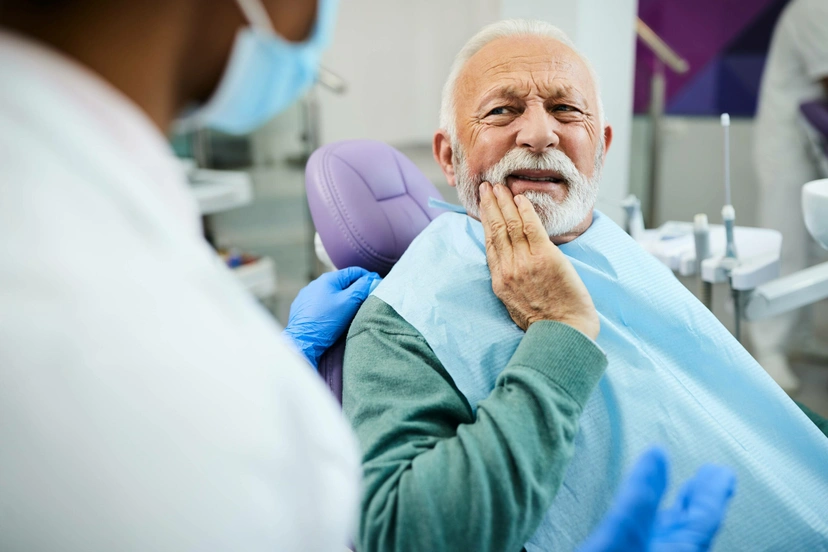
Senior dental care is of utmost importance as we age, as it plays a crucial role in maintaining overall health and well-being. As we grow older, our oral health needs change, and it becomes even more essential to take care of our teeth and gums. Poor oral health can lead to a myriad of issues, including tooth decay, gum disease, and even systemic diseases. Seniors are more susceptible to these oral health problems due to factors such as medication side effects, reduced saliva production, and natural wear and tear on teeth. Therefore, it is vital for seniors to prioritize their dental care to ensure they can maintain a high quality of life as they age.
Furthermore, senior dental care is essential for maintaining proper nutrition and overall health. As we age, it can become more challenging to eat a balanced diet, and poor oral health can exacerbate this issue. Missing teeth or oral pain can make it difficult to chew and swallow food, leading to malnutrition and other health complications. Additionally, poor oral health has been linked to systemic diseases such as diabetes, heart disease, and respiratory infections. Therefore, taking care of one’s oral health is not only important for maintaining a healthy mouth but also for preventing serious health issues in the long run.
Key Takeaways
- Senior dental care is important for maintaining overall health and well-being
- Poor oral health in seniors can be linked to systemic diseases such as diabetes and heart disease
- Regular dental check-ups can help prevent systemic diseases in seniors
- Senior dental care can play a crucial role in preventing and managing systemic diseases
- Maintaining good oral health in seniors is essential for their overall health and well-being
The Link Between Oral Health and Systemic Diseases
The link between oral health and systemic diseases is a topic of growing interest in the medical and dental fields. Research has shown that poor oral health can have a significant impact on overall health, leading to an increased risk of developing systemic diseases. The mouth serves as a gateway to the body, and bacteria from oral infections can easily enter the bloodstream, causing inflammation and infection in other parts of the body. This can lead to a range of systemic diseases, including diabetes, heart disease, and respiratory infections.
Moreover, chronic inflammation in the mouth from conditions such as gum disease has been linked to an increased risk of developing systemic diseases. Inflammation is the body’s natural response to infection or injury, but when it becomes chronic, it can contribute to the development of various health problems. For example, research has shown that the bacteria associated with periodontal disease can contribute to the development of cardiovascular disease by causing inflammation in the blood vessels. Additionally, poor oral health has been linked to an increased risk of developing diabetes, as gum disease can make it more difficult for the body to control blood sugar levels. These findings highlight the importance of maintaining good oral health, especially for seniors who may be more susceptible to systemic diseases.
Common Systemic Diseases Linked to Poor Oral Health in Seniors
There are several systemic diseases that have been linked to poor oral health in seniors. One of the most well-documented connections is between gum disease and cardiovascular disease. Research has shown that the bacteria associated with periodontal disease can enter the bloodstream and contribute to the development of cardiovascular problems such as heart disease and stroke. Additionally, chronic inflammation in the mouth from gum disease can lead to inflammation in the blood vessels, further increasing the risk of cardiovascular issues.
Furthermore, poor oral health has also been linked to an increased risk of developing diabetes. Studies have found that individuals with gum disease have a harder time controlling their blood sugar levels, leading to an increased risk of developing diabetes or worsening existing diabetes. Additionally, respiratory infections such as pneumonia have also been linked to poor oral health in seniors. Bacteria from the mouth can be aspirated into the lungs, leading to infections and other respiratory issues. These connections between poor oral health and systemic diseases highlight the importance of prioritizing senior dental care to prevent these serious health problems.
How Senior Dental Care Can Help Prevent Systemic Diseases
Senior dental care plays a crucial role in preventing systemic diseases by maintaining good oral health and reducing the risk of bacteria entering the bloodstream. By practicing good oral hygiene habits such as brushing and flossing regularly, seniors can reduce their risk of developing gum disease and other oral infections that can lead to systemic issues. Additionally, regular dental check-ups and cleanings can help identify and treat any oral health problems before they escalate into more serious issues.
Moreover, senior dental care can also help prevent systemic diseases by addressing risk factors such as dry mouth and medication side effects. Many seniors take medications that can cause dry mouth, which can increase the risk of developing tooth decay and gum disease. By working with their dentist, seniors can find solutions to alleviate dry mouth symptoms and reduce their risk of oral health problems. Furthermore, dentists can work with seniors to develop personalized oral care plans that take into account their specific health needs and reduce their risk of developing systemic diseases.
Tips for Maintaining Good Oral Health in Seniors
There are several tips that seniors can follow to maintain good oral health and prevent systemic diseases. Firstly, it is important for seniors to practice good oral hygiene habits such as brushing their teeth at least twice a day with fluoride toothpaste and flossing daily. This helps remove plaque and food particles that can lead to tooth decay and gum disease. Additionally, using an antimicrobial mouthwash can help reduce bacteria in the mouth and prevent oral infections.
Furthermore, seniors should be mindful of their diet and nutrition as it relates to their oral health. Eating a balanced diet rich in fruits, vegetables, lean proteins, and whole grains can help support overall oral health. It is also important to limit sugary and acidic foods and beverages that can contribute to tooth decay. Staying hydrated by drinking plenty of water is also important for maintaining good oral health.
Lastly, seniors should prioritize regular dental check-ups and cleanings to maintain their oral health. Dentists can identify any potential issues early on and provide personalized recommendations for maintaining good oral health. By following these tips, seniors can reduce their risk of developing systemic diseases linked to poor oral health.
The Role of Regular Dental Check-ups in Preventing Systemic Diseases
Regular dental check-ups play a crucial role in preventing systemic diseases by identifying and treating potential oral health issues before they escalate into more serious problems. During a dental check-up, dentists can examine the teeth and gums for signs of decay, infection, or inflammation. They can also perform a thorough cleaning to remove plaque and tartar that can contribute to gum disease.
Moreover, regular dental check-ups also provide an opportunity for dentists to educate seniors about the importance of good oral hygiene habits and how they can prevent systemic diseases. Dentists can provide personalized recommendations for maintaining good oral health based on each senior’s specific needs and health concerns. Additionally, dentists can work with seniors to address any risk factors such as dry mouth or medication side effects that may increase their risk of developing oral health problems.
Furthermore, regular dental check-ups allow dentists to monitor any existing oral health issues and provide timely treatment to prevent them from worsening. By addressing potential problems early on, seniors can reduce their risk of developing systemic diseases linked to poor oral health. Therefore, regular dental check-ups are an essential part of senior dental care and play a key role in maintaining overall health and well-being.
The Impact of Senior Dental Care on Overall Health and Well-being
The impact of senior dental care on overall health and well-being cannot be overstated. Maintaining good oral health is essential for seniors to enjoy a high quality of life as they age. By prioritizing their dental care, seniors can reduce their risk of developing systemic diseases such as diabetes, heart disease, and respiratory infections that are linked to poor oral health.
Furthermore, senior dental care can also have a positive impact on mental well-being by reducing pain and discomfort associated with oral health problems. Missing teeth or oral pain can make it difficult for seniors to eat, speak, or socialize comfortably. By addressing these issues through proper dental care, seniors can improve their confidence and overall quality of life.
In conclusion, senior dental care is essential for maintaining overall health and well-being as we age. By prioritizing good oral hygiene habits, regular dental check-ups, and personalized care plans, seniors can reduce their risk of developing systemic diseases linked to poor oral health. It is important for seniors to work closely with their dentist to address any specific concerns or risk factors related to their oral health in order to maintain a high quality of life in their golden years.
If you’re interested in learning more about the importance of senior dental care, you may want to check out this article on the Red Maple Dental website that discusses the link between oral health and systemic diseases. The article provides valuable information on how maintaining good oral hygiene can help prevent serious health issues such as heart disease and diabetes. You can read the full article here. And if you’re ready to schedule a dental appointment for yourself or a loved one, you can do so by visiting this link.