
The Connection Between Sleep Disorders and Emergency Dentistry
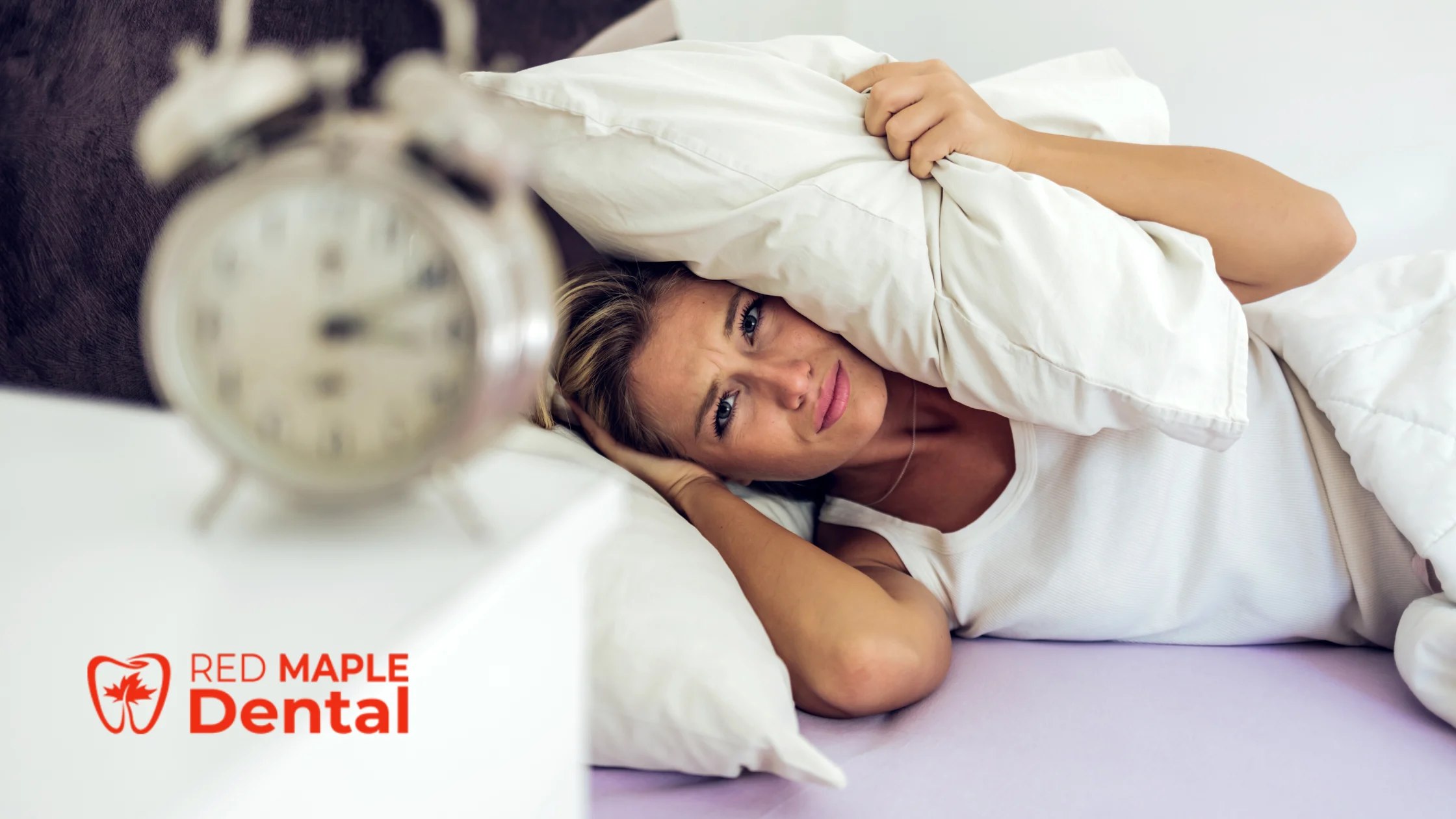
There’s a significant link between sleep disorders and the need for emergency dental care. If you experience sleep issues, you may not realize how they can affect your dental health, potentially leading to tooth grinding or jaw clenching.
These habits can cause severe damage to your teeth and jaw, resulting in painful conditions that require immediate attention from a dentist. Understanding this connection allows you to better manage your sleep health and protect your smile, ensuring you remain proactive in both your oral and overall well-being.
Key Takeaways:
- Sleep disorders can exacerbate dental issues, leading to increased pain and the potential for emergency dental care.
- Patients with sleep apnea or insomnia may experience teeth grinding, which can result in chipped teeth or jaw pain, prompting the need for emergency treatment.
- Addressing sleep disorders can improve overall oral health, potentially reducing the frequency of dental emergencies by minimizing stress and related oral habits.
Understanding Sleep Disorders
While many people experience sleep disturbances at some point, sleep disorders are persistent conditions that can significantly impact your overall health and well-being. These disorders can disrupt your nightly rest and lead to a range of physical and mental health issues. Diagnosing and managing sleep issues effectively is vital for restoring both sleep quality and daytime functioning.
Types of Sleep Disorders
Types of sleep disorders include:
| Insomnia | Difficulties falling or staying asleep |
| Sleep Apnea | Interrupted breathing during sleep |
| Restless Legs Syndrome | Uncontrollable urge to move your legs |
| Parasomnias | Abnormal behaviors during sleep, such as sleepwalking |
| Narcolepsy | Excessive daytime sleepiness and sudden sleep attacks |
Recognizing the type of sleep disorder you may have is the first step towards treatment and improvement.
Causes and Symptoms
The causes of sleep disorders can vary widely, ranging from lifestyle choices to medical conditions. Common symptoms include disrupted sleep patterns, excessive sleepiness during the day, and difficulty concentrating.
Factors such as stress, anxiety, and chronic pain can exacerbate these issues.
In addition, inadequate sleep can lead to more serious conditions like cardiovascular disease and diabetes. If you experience persistent insomnia or excessive daytime sleepiness, it’s necessary to consult a healthcare professional.
Your overall well-being might depend on addressing these symptoms early. By understanding the causes and varying symptoms associated with sleep disorders, you’re better equipped to take control of your health and improve your sleep quality.
The Role of Emergency Dentistry
Some dental issues can arise unexpectedly, requiring immediate attention. Emergency dentistry serves to address these urgent situations effectively, ensuring that you receive the care needed to alleviate pain and prevent long-term damage.
In moments of oral distress, seeking assistance from emergency dental professionals can be the difference between saving a tooth or facing more extensive treatment later.
Definition and Scope
On the spectrum of dental care, emergency dentistry encompasses treatments for serious conditions that necessitate swift intervention. This includes pain management, trauma care, and infection control, focusing on urgent issues that can affect your overall health and well-being.
Common Dental Emergencies
Behind the scenes of emergency dentistry are several dental emergencies you might encounter, such as toothaches, fractured teeth, or lost fillings. These occurrences can lead to intense discomfort or complications if not addressed promptly.
To effectively handle these situations, you should be aware of the most prevalent dental emergencies. Severe toothaches can indicate underlying infections that require swift treatment. Chipped or fractured teeth result from accidents or hard bites, and leaving them untreated can expose the nerves, causing significant pain.
Additionally, lost fillings or crowns can lead to further decay. Seeking immediate assistance not only alleviates pain but also safeguards your oral health from potential complications that could arise from neglecting these conditions.
The Impact of Sleep Disorders on Dental Health
After struggling with sleep disorders, you may notice a decline in your dental health. Interrupted sleep patterns can lead to poor oral hygiene habits, as fatigue affects your motivation to maintain a consistent routine.
Additionally, the stress and anxiety associated with sleep disorders can heighten your risk of developing dental issues, further complicating your oral health.
Teeth Grinding and Jaw Issues
Health issues such as bruxism, or teeth grinding, can be exacerbated by sleep disorders. This involuntary behavior often occurs during sleep, leading to discomfort in your jaw and potential misalignment of your teeth.
Over time, excessive grinding can result in severe wear, increasing the need for dental interventions and corrective treatments.
Oral Health Consequences
An increase in dental issues can manifest from insufficient sleep, impacting your overall oral health. Inadequate rest can weaken your immune system, making it harder for your body to fight off infections, including gum disease.
Furthermore, compromised oral hygiene and heightened stress levels may exacerbate existing dental problems, making regular check-ups and preventive care even more necessary.
At the same time, neglecting these oral health consequences can lead to a cascade of challenges. You may face tooth decay, increased sensitivity, and even tooth loss.
Moreover, untreated gum disease can contribute to more serious health concerns beyond your mouth. Prioritizing your sleep can positively influence your dental health, making it vital to address any ongoing sleep issues to protect your smile.
Interplay Between Sleep Disorders and Dental Emergencies
Despite the often-overlooked relationship between sleep disorders and dental emergencies, these two health issues can significantly influence one another. Lack of restorative sleep may heighten your stress and anxiety levels, while dental pain can exacerbate sleep issues, creating a vicious cycle.
The interplay between poor sleep quality and dental health is important to understand, as it can impact not only your oral well-being but also your overall health.
Patient Anxiety and Emergency Visits
An overwhelming sense of anxiety often accompanies dental emergency visits, especially for individuals who struggle with sleep disorders. This anxiety can hinder your ability to address immediate dental issues, potentially exacerbating the situation.
Understanding this link may help you manage your dental health more effectively during emergencies.
Sleep Disorders as a Precipitating Factor
Emergency dental situations can arise from inadequate sleep, as sleep disorders may lead to increased grinding or clenching of your teeth. Additionally, chronic fatigue can cause you to neglect oral hygiene, ultimately resulting in cavities or gum disease.
Awareness of these connections allows you to take proactive measures in both sleep and dental care.
Indeed, sleep disorders can manifest in ways that directly affect your dental health. For instance, bruxism, often triggered by stress or sleep disturbances, can cause significant wear on your teeth, resulting in dental emergencies.
Furthermore, individuals who experience chronic fatigue may overlook dental hygiene practices like regular brushing and flossing, leading to untreated cavities or gum disease. Recognizing the signs of a sleep disorder and taking steps to manage it can help reduce your risk of dental emergencies and improve your overall well-being.
Treatment Options and Recommendations
Once again, addressing sleep disorders often requires a combination of treatments tailored to your specific needs. You should consider options such as cognitive behavioral therapy, lifestyle changes, and dental interventions.
Additionally, working with healthcare providers who specialize in sleep medicine can guide you in discovering effective strategies that enhance both your sleep quality and dental health.
Dental Interventions and Sleep Management
Across the spectrum of sleep disorders, certain dental interventions can significantly improve your situation. For example, custom oral appliances can help alleviate symptoms of sleep apnea, directly influencing your oral health.
Implementing these preventive measures not only enhances your sleep but also minimizes potential dental issues that arise from chronic sleep disturbance.
Collaborative Care Approaches
Against the backdrop of sleep disorder management, collaborative care approaches maximize your treatment efficacy. Engaging a multidisciplinary team that includes your dentist, physician, and sleep specialist allows for a holistic understanding of your condition, tailoring interventions that address both your dental and sleep challenges.
This approach promotes effective communication between your care providers, ensuring that your treatment plan is comprehensive and personalized. By working together, they can identify and mitigate overlapping issues that affect both your sleep and dental health, like bruxism or discomfort.
A team-based strategy not only enhances your overall well-being but also reduces the risk of long-term complications arising from untreated sleep disorders, paving the way for a healthier you.
Future Research Directions
For ongoing advancements in understanding sleep disorders, future research should focus on their impact on oral health. Investigating how inadequate sleep affects your dental outcomes will provide insight into effective management strategies and link emergency dentistry practices with sleep health.
Investigating the Connection
Against the backdrop of increasing awareness of sleep disorders, you should anticipate significant studies aimed at uncovering how your sleep patterns correlate with dental problems. Exploring this dynamic relationship will enhance both dental and sleep medicine fields.
Advancements in Treatment
At the forefront of this research landscape is the development of innovative treatments tailored for patients facing both sleep disorders and oral health issues.
Due to the rising recognition of the interplay between sleep disorders and dental health, health professionals are now implementing interdisciplinary treatment approaches. These may include treatments that address not only your dental emergencies but also aim to improve your sleep quality.
For example, using custom dental appliances can alleviate symptoms of both obstructive sleep apnea and dental issues. This holistic approach can lead to enhanced treatment outcomes, preventing future emergency situations and promoting your overall health.
Summing up
The connection between sleep disorders and emergency dentistry is significant. If you experience sleep issues, you may be more prone to dental problems such as grinding your teeth or clenching your jaw, which can lead to urgent dental issues.
Addressing your sleep health can contribute positively to your oral health, making it important to consult with professionals about both areas. By understanding how your sleep affects your dental well-being, you can take proactive steps to minimize emergencies and improve your overall quality of life.
Experiencing dental pain, jaw discomfort, or sleep-related oral health issues? Visit Red Maple Dental today for compassionate, expert care that addresses both your emergency dental needs and long-term oral health.
Ready to book your visit?
Our Brampton team is here seven days a week for your whole family.