
How Often Should Seniors Get Dental X-Rays?
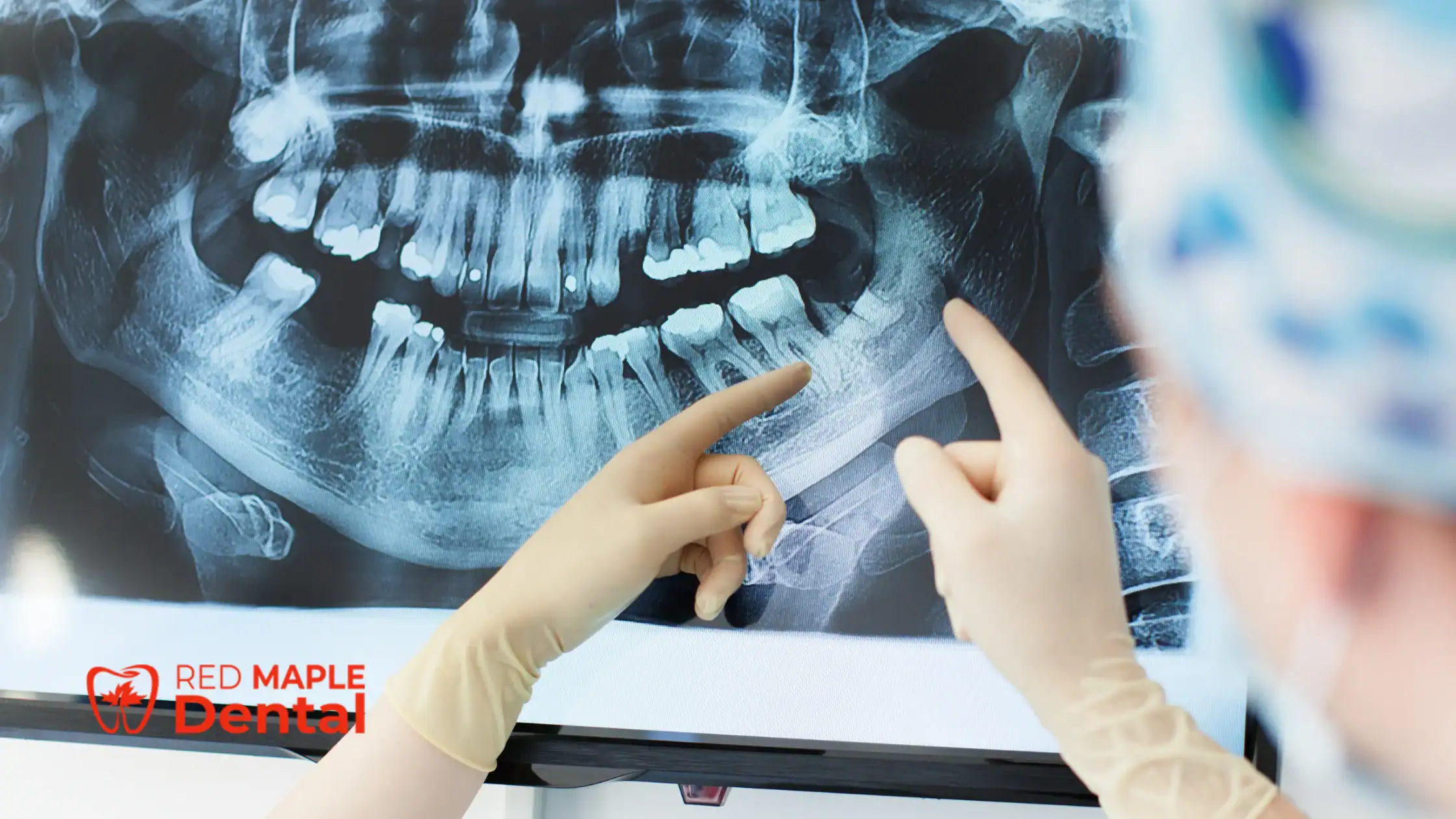
Over the years, dental health becomes increasingly important as you age. Regular dental X-rays play a key role in identifying issues that may not be visible during routine examinations.
Understanding how often you should get these X-rays can help maintain your oral health and catch problems early. This guide will provide you with vital information on the recommended frequency of dental X-rays for seniors, ensuring you make informed choices for your dental care.
Key Takeaways:
- Seniors typically need dental X-rays every 1 to 3 years, depending on their oral health status, risk factors, and dentist recommendations.
- Regular X-rays help detect hidden problems early and prevent serious issues.
- Modern X-rays use low radiation and are safe for ongoing dental care.
The Crucial Role of Dental X-Rays in Senior Oral Health
Dental X-rays serve as an imperative tool for maintaining your oral health as you age. They provide a detailed view of your teeth, gums, and jawbone, allowing your dentist to diagnose issues that may not be visible during a routine examination.
“As we age, the structure of our teeth and bones can subtly change, making dental X-rays an invaluable resource for detecting hidden problems like bone loss or infections that could otherwise be overlooked.” – Dr. Parul Singh, Dentist in Brampton, ON
Regular imaging helps identify infections, bone loss, and other serious conditions early on, enabling prompt treatment that can prevent further complications. For seniors, the integration of X-rays into regular dental visits enhance overall dental care and support a healthier, more confident smile.
Detecting Underlying Issues Before They Escalate
Regular dental X-rays give your dentist the ability to spot hidden problems, such as decay hidden beneath fillings or gum disease lurking beneath the surface. Early detection plays a significant role in addressing potential issues before they escalate into more severe conditions, which can lead to tooth loss or other health complications.
By catching these concerns early, you not only safeguard your dental health but can also save on potential future treatment costs.
Preventative Care vs. Reactive Treatment
Opting for preventative care through consistent dental X-rays can significantly reduce the need for reactive treatments. When you prioritize routine imaging, your dentist can identify issues as soon as they arise, allowing for less invasive and more cost-effective measures.
For seniors, embracing preventative care is highly beneficial, as it minimizes the chance of complications that could affect overall well-being.
For example, studies show that early intervention for cavities leads to less invasive treatments, often saving you time and money down the road.
On the other hand, reactive treatment occurs when problems have already escalated, resulting in more complex procedures, higher costs, and extended recovery times. By investing in preventative measures, you enhance your long-term dental health, ensuring that minor concerns don’t develop into significant challenges later.
Age-Specific Guidelines for Dental X-Ray Frequency
Age-specific recommendations for dental X-rays help you customize the frequency to meet your needs. The Canadian Dental Association, in line with international best practices, recommends that adults—including seniors—undergo dental X-rays only as often as necessary, typically every 12 to 36 months, depending on risk level.
“For seniors, customizing X-ray schedules based on individual risk factors—like a history of gum disease or existing health conditions—ensures we strike the right balance between proactive care and minimizing radiation exposure.” – Dr. Parul Singh, Dentist in Brampton, ON
This timeline ensures that any potential issues develop and are addressed promptly while avoiding overexposure to radiation.
The Recommended Schedule for Seniors
Many dentists recommend dental X-rays every two years for seniors with no significant dental issues, but this schedule may vary based on your personal oral health and risk factors. However, your dentist may adjust this schedule based on your personal dental health and history.
Regular check-ups and evaluations will allow your dentist to determine if more frequent imaging is needed to assess any developing conditions accurately.
Factors Influencing Frequency: Health Conditions and Dental History
Several factors can influence how often you should get dental X-rays, including existing health conditions and your dental history. If you have chronic diseases such as diabetes or cardiovascular issues, you may require more frequent imaging to monitor any potential complications.
Additionally, a history of dental problems may necessitate shorter intervals between X-rays to catch any new issues early.
- Your ongoing health conditions may affect the recommended frequency of X-rays.
- A history of gum disease or cavities can signal a need for closer monitoring.
- Medications and treatments that impact oral health might also dictate the schedule.
Health conditions like periodontal disease or a history of dental work can significantly impact your X-ray schedule. For instance, individuals who have undergone extensive dental treatments may need more frequent monitoring to ensure everything remains in optimal condition.
Your dentist will consider these factors when establishing a personalized frequency that works best for you.
- Advanced age often brings about a higher risk of dental issues that require more attention.
- Significant changes in your oral health could lead to revisions in your X-ray schedule.
- This tailored approach ensures that your oral health needs are effectively addressed throughout your golden years.
Understanding the Risks and Benefits
Evaluating the risks and benefits of dental X-rays is imperative for informed decision-making about your oral health. While radiation exposure is a concern, advancements in technology have significantly reduced the doses used in modern X-rays.
“Modern dental X-rays are safer than ever, utilizing advanced technology that reduces radiation exposure while providing detailed imagery essential for accurate diagnostics and timely interventions.” – Dr. Parul Singh, Dentist in Brampton, ON
The potential benefits include early detection of dental issues, which can prevent more severe health problems down the line. Balancing these factors helps ensure you receive the appropriate level of care while minimizing risks to your well-being.
In Canada, dentists follow guidelines established by Health Canada and provincial regulatory bodies to ensure X-rays are used appropriately and safely.
Balancing Radiation Exposure with Diagnostic Advantages
Dental X-rays involve very low radiation exposure, especially with modern digital imaging techniques that require significantly less radiation than older film-based systems. This reduction allows for more frequent imaging when necessary, making it easier for your dentist to detect concerns like cavities or bone loss early.
Weighing these potential dangers against the significant diagnostic advantages can help you make informed decisions tailored to your specific health needs.
The Impact of Untreated Dental Problems on Overall Health
Neglecting dental health can extend beyond your mouth, leading to complications that affect your overall health. Untreated dental problems have been associated with systemic conditions such as heart disease, poorly controlled diabetes, and respiratory infections—especially in older adults.
Regular checks—including X-rays—allow early intervention, reducing the risk of these systemic complications.
For instance, periodontal disease has been associated with an increased risk of heart disease; this is particularly concerning for seniors who may already have pre-existing cardiovascular conditions. Furthermore, bacterial infections from untreated dental issues can lead to inflammation that exacerbates existing health problems, illustrating the interconnectedness of oral health and overall wellness.
Timely dental X-rays enable your dentist to monitor your oral health effectively, preventing issues that could have far-reaching consequences on your general health. Maintaining regular dental care plays a vital role in supporting a healthier, more comfortable life as you age.
Debunking Myths in Senior Dental Care
Misinformation often clouds the understanding of dental care for seniors. Many believe that aging naturally leads to tooth loss and that dental visits are less necessary.
In reality, consistent care, including dental X-rays, can help preserve your teeth and gums.
Common Misconceptions About X-Rays
A prevalent misconception is that dental X-rays are unnecessary after a certain age, as many believe that seniors don’t need to worry about cavities or gum disease. However, dental problems can occur at any age, and X-rays are instrumental in detecting issues beneath the surface that are not visible during routine examinations.
The Truth About Dental X-Rays and Safety
Concerns about the safety of dental X-rays often arise, particularly regarding radiation exposure. While it’s true that X-rays involve radiation, the levels are extremely low and well within safety standards.
Advanced technology in dental imaging has further minimized risks, assuring you that the benefits of early detection far outweigh these concerns.
Dental professionals use digital X-ray technology, which can reduce radiation exposure by as much as 60–80% compared to traditional film-based X-rays. This approach not only enhances safety but also provides clearer and more detailed images for diagnostics.
Regular assessments allow your dentist to monitor changes in your oral health, making it easier to catch potential problems early, contributing to your overall well-being as you age. Embracing dental X-rays as a part of your routine care can significantly improve your chances of maintaining a healthy smile for years to come.
Collaborating with Dental Professionals
Partnering with your dental professionals enhances your oral health experience. Regular discussions about your dental history, existing health conditions, and lifestyle choices allow them to create personalized treatment plans.
They will suggest optimal timing for X-rays based on your unique situation, ensuring that you receive the appropriate level of care. Staying proactive in these conversations leads to better outcomes.
Questions Seniors Should Ask Their Dentists
Asking the right questions can clarify the need for dental X-rays and their frequency. Inquire about the specific types of X-rays recommended for you, how they may benefit your overall dental health, and the potential risks involved.
Understanding these aspects will empower you to make informed decisions about your care. Ask whether bitewing, panoramic, or periapical X-rays are most appropriate for your needs. Each type provides different diagnostic insights.
Navigating Personal Health Decisions Together
Engaging in open dialogue with your dentist fosters a collaborative approach to your oral health. You can share your preferences, concerns, and experiences, which can substantially influence the recommended treatment plan.
Your dentist appreciates patient input as it cultivates a trusting relationship, paving the way for better, more personalized care tailored to your needs.
When discussing your health decisions, consider sharing any recent changes in your medical condition or medications. This information is pivotal for your dentist to assess the necessity of frequent X-rays.
Tailoring your care aligns with your lifestyle and preferences, ensuring you don’t feel overwhelmed by treatment options. It’s your health and comfort that matter most, making these conversations crucial for optimal oral care.
Conclusion
Dental X-rays are a valuable tool in maintaining oral health as you age. In Canada, seniors are encouraged to work closely with their dental care providers to determine the ideal X-ray schedule based on personal risk factors and overall health.
By staying proactive with preventative care—including imaging—you can help preserve your natural teeth, avoid complications, and enjoy a healthier quality of life.
Regular check-ups with your dentist will help determine the right schedule tailored to your needs, ensuring that you maintain optimal dental health as you age.
Protect Your Smile as You Age — Schedule Your Dental X-ray Today
Dental health needs change with age, and regular X-rays help catch issues like decay under fillings, bone loss, or shifting dentures before they become serious. At Red Maple Dental in Brampton, we use low-radiation digital X-rays designed with seniors’ comfort and safety in mind.
Haven’t had a dental X-ray in over a year? Let’s change that.
Book your visit with our gentle, experienced team today.
Contact us now to request an appointment or speak with our staff.
We’re here to keep your smile healthy—at every age.
Reviewed by: Dr. Parul Singh
Ready to book your visit?
Our Brampton team is here seven days a week for your whole family.