
The Role of Root Canal Therapy in Preventing Dental Emergencies
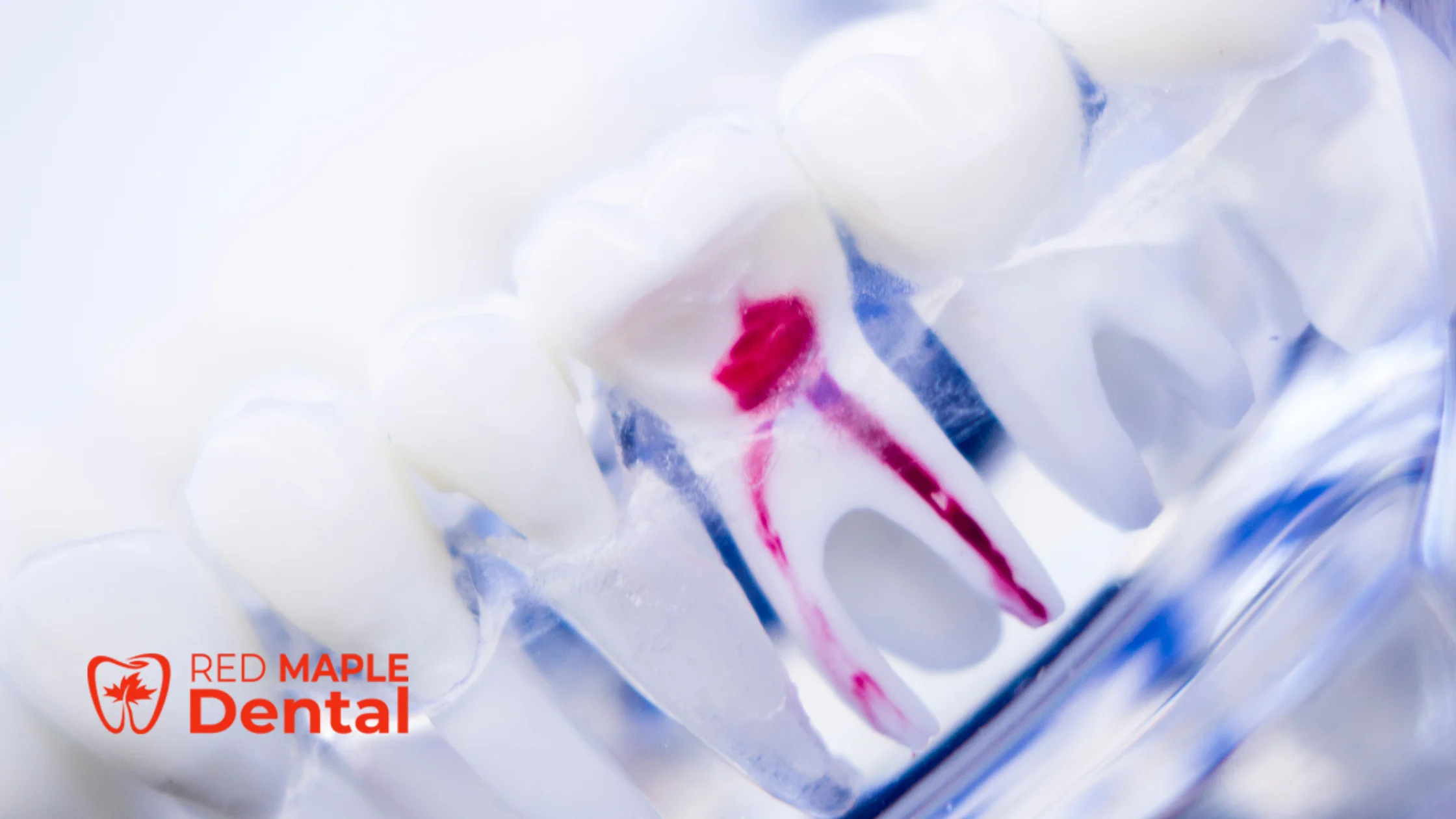
Just when you think you can avoid dental issues, the reality is that untreated tooth decay can lead to serious problems. Root canal therapy is a vital procedure that not only alleviates pain but also prevents more severe dental emergencies down the line.
By addressing infection or damage in its early stages, you protect your smile and spare yourself the risk of intense discomfort and costly treatments. Understanding the importance of this therapy can empower you to make informed decisions about your oral health.
Key Takeaways:
- Root canal therapy effectively addresses infected or damaged pulp, alleviating pain and preventing the need for more extensive dental procedures.
- Proactive treatment through root canals can significantly reduce the risk of dental emergencies, such as abscesses or tooth loss, resulting from untreated infections.
- Regular dental check-ups can help identify the need for root canal therapy early, ensuring timely intervention and maintaining oral health.
Understanding Root Canal Therapy
The common misconception about root canal therapy is that it is a painful procedure. In reality, root canal therapy is a dental treatment designed to alleviate pain and preserve your natural tooth.
It involves removing infected or damaged pulp from within the tooth, cleaning and disinfecting the inner chamber, and ultimately sealing it to prevent further issues. This procedure is necessary for restoring the health of your tooth and alleviating discomfort.
What is Root Canal Therapy?
Canal therapy involves the careful removal of the tooth’s pulp, which contains nerves and blood vessels. Once the pulp is removed, the empty chamber is thoroughly cleaned, and a biocompatible material is used to fill the space, preventing bacteria from re-entering.
This treatment not only alleviates pain but also helps in maintaining your tooth’s structure, allowing you to retain your natural smile.
Indications for Root Canal Treatment
Canal treatment may be necessary for various reasons, including severe tooth decay, deep cavities, or trauma to the tooth that has led to infection or inflammation of the pulp. Recognizing the signs is important for timely intervention.
Another indication for root canal therapy is the presence of persistent dental pain, swelling, or tenderness around a tooth, which could mean your pulp is infected. Ignoring these signs can lead to more severe complications, such as abscesses or tooth loss.
If you experience sensitivity to hot or cold that lingers, or discoloration of your tooth, it’s necessary to consult your dentist. Taking early action can save not only your tooth but also thousands of dollars in future dental treatments.
Common Dental Emergencies
It is imperative to recognize the different types of dental emergencies you may encounter, such as severe toothaches, broken or knocked-out teeth, and abscesses. These situations often arise unexpectedly and can cause significant pain, stress, and discomfort.
Understanding these common emergencies helps you to seek timely care, ultimately reducing complications and minimizing the impact on your oral health.
Causes of Dental Emergencies
After a thorough evaluation, you’ll find that dental emergencies are frequently caused by factors such as untreated cavities, trauma to the mouth, or underlying gum disease. Poor oral hygiene and lifestyle choices, like smoking or excessive sugar consumption, can exacerbate these issues, leading to sudden and severe dental problems that require immediate attention.
Consequences of Untreated Dental Issues
The longer you allow dental issues to go untreated, the more severe the potential consequences become. Neglecting a simple cavity can escalate into a painful infection, resulting in the necessity for a root canal or even tooth extraction.
Furthermore, prolonged oral infections can accelerate the development of systemic diseases like diabetes or cardiovascular disease, making it vital to address any dental concerns promptly.
Dental issues, when ignored, can lead to a cascade of negative health effects. In addition to immediate pain and discomfort, you may face persistent infections that can spread systemically. This could result in more complicated treatments and increased costs.
Furthermore, neglecting oral health can impact your self-esteem and quality of life, as you might avoid smiling or social interactions. Thus, addressing dental concerns early not only preserves your teeth but also safeguards your overall health and well-being.
How Root Canal Therapy Prevents Emergencies
After identifying issues such as deep decay or infection, root canal therapy is necessary in preventing potential dental emergencies. This treatment addresses the source of your dental pain by thoroughly cleaning and sealing the infected pulp, ultimately protecting your tooth from further damage.
By opting for root canal therapy, you minimize the risk of acute pain episodes and the need for more invasive procedures, ensuring your oral health remains stable.
Alleviating Pain and Infection
Across many cases, root canal therapy effectively alleviates pain and eradicates infection within your tooth. When bacteria invade the pulp, it can lead to significant discomfort and potential abscess formation.
By removing the infected tissue, your dentist not only relieves your pain but also promotes healing, allowing you to maintain a healthier mouth and avoid future complications.
Saving Natural Teeth
About 90% of successful root canal treatments can save your natural tooth, enabling you to retain it for years to come. This approach not only minimizes the need for extractions, but it also preserves your natural alignment and function.
By valuing your natural teeth, you’re ensuring the longevity of your overall oral health.
For instance, when you choose root canal therapy, you prevent the negative effects associated with losing a tooth, such as shifting teeth, bite problems, and jaw issues. Preserving your natural teeth means maintaining aesthetics and preventing the need for implants or bridges, which can be more invasive and costly.
Therefore, by addressing dental issues early through root canal therapy, you can safeguard your oral health and enjoy a more confident smile.
The Process of Root Canal Therapy
Keep in mind that root canal therapy is a multi-step process that effectively addresses issues within your tooth’s pulp. This procedure not only alleviates pain but also removes decay, reducing the risk of future dental emergencies.
Knowing the steps involved can help ease any apprehension you may have and ensure you are well-prepared for your visit to the dentist.
Diagnosis and Preparation
Before undergoing root canal therapy, your dentist will perform a thorough examination of your tooth and surrounding areas. This may involve X-rays to identify any infections or issues within the root canals.
Proper diagnosis is vital as it guides your treatment plan, ensuring tailored care that targets your specific condition effectively.
The Treatment Procedure
Root canal therapy begins with your dentist administering anesthesia to ensure you are comfortable throughout the process. They will then create an opening in the crown of your tooth to access the pulp chamber.
Using specialized tools, they will clean, shape, and disinfect the root canals, removing any infected tissue.
But don’t worry; while the idea may seem daunting, this step is necessary for eliminating infection and preventing further complications. After cleaning, the canals are filled with a biocompatible material to seal them and protect against future infection.
Following this, your dentist may place a temporary crown, and later a permanent crown, to restore your tooth’s functionality. This procedure is an effective way to relieve pain and save your natural tooth, ensuring a healthy smile for years to come.
Post-Treatment Care
Once again, after your root canal therapy, proper post-treatment care is necessary for your recovery. Be sure to follow your dentist’s instructions closely, which may include avoiding hard foods, managing discomfort, and maintaining good oral hygiene practices.
It’s important to monitor your healing and contact your dentist if you notice any unusual symptoms, such as swelling or prolonged pain.
Managing Discomfort
About managing discomfort, it’s common to experience some tenderness after your root canal procedure. Over-the-counter pain relievers, as recommended by your dentist, can help minimize discomfort.
Apply an ice pack to your face to reduce swelling and follow any specific care suggestions to facilitate a smoother recovery process.
Follow-Up Appointments
The follow-up appointments after your root canal are important for ensuring your healing process is on track and your tooth is effectively restored.
Understanding the significance of these follow-up appointments will help you stay informed about your dental health. During these visits, your dentist will evaluate the healing progress and check for any signs of infection.
Promptly addressing any complications can prevent serious issues, allowing you to maintain a healthy mouth. Additionally, these appointments often involve assessing the need for permanent restoration, such as a crown, which is vital for your tooth’s longevity and functionality.
Regular check-ups contribute to your overall oral health and prevent future dental emergencies.
Myths and Misconceptions
Despite the prevalence of root canal therapy, many myths surround its purpose and effectiveness. Some people believe that having a root canal is always a painful experience, or that it is unnecessary if the tooth doesn’t hurt.
These misconceptions can deter you from seeking the treatment needed to prevent more serious dental emergencies down the line. Understanding the reality of root canal therapy can empower you to make informed decisions regarding your dental health.
Misunderstandings about Root Canals
Below, we address common misunderstandings regarding root canals that can lead to unnecessary anxiety. Many view the procedure as a last resort, believing it is only performed when the pain becomes unbearable.
In truth, root canal therapy is often a preventive measure that alleviates discomfort and preserves your natural tooth, making it a valuable treatment to consider before any pain escalates.
Addressing Patient Fears
Behind the fear of root canals often lies a combination of past experiences and stories from others. You might feel anxious about the procedure, worried about pain or complications.
It’s important to know that modern techniques and anesthesia have made root canal therapy significantly more comfortable than in the past. Many patients report feeling little to no discomfort during the process, and your dentist will take every step to ensure your comfort and well-being.
But understanding the facts about root canal therapy can help calm your fears. The procedure not only alleviates *pain but also saves your tooth from extraction, allowing you to maintain your natural smile.
With advancements in dental technology, root canals are performed efficiently and with minimal discomfort. Many patients who have undergone the treatment describe the outcome as surprisingly positive, providing relief from pain and preserving tooth function.
You owe it to yourself to explore the benefits of root canal therapy, as it could save you from more extensive treatments in the future.
Conclusion
Hence, understanding the importance of root canal therapy can empower you to take proactive steps in preserving your dental health. By addressing infections and damage early, you can significantly reduce the risk of painful dental emergencies in the future.
Regular check-ups and following your dentist’s recommendations will ensure that you maintain optimal oral health, allowing you to enjoy your smile without the fear of sudden dental crises.
Protect your smile and avoid painful dental emergencies by trusting the experts at Red Maple Dental for proactive and personalized care. Whether you need a root canal or a routine check-up, their experienced team is here to help you maintain lifelong oral health with confidence.
Ready to book your visit?
Our Brampton team is here seven days a week for your whole family.