
How to Minimize Dental Emergency Risks Through Preventive Care
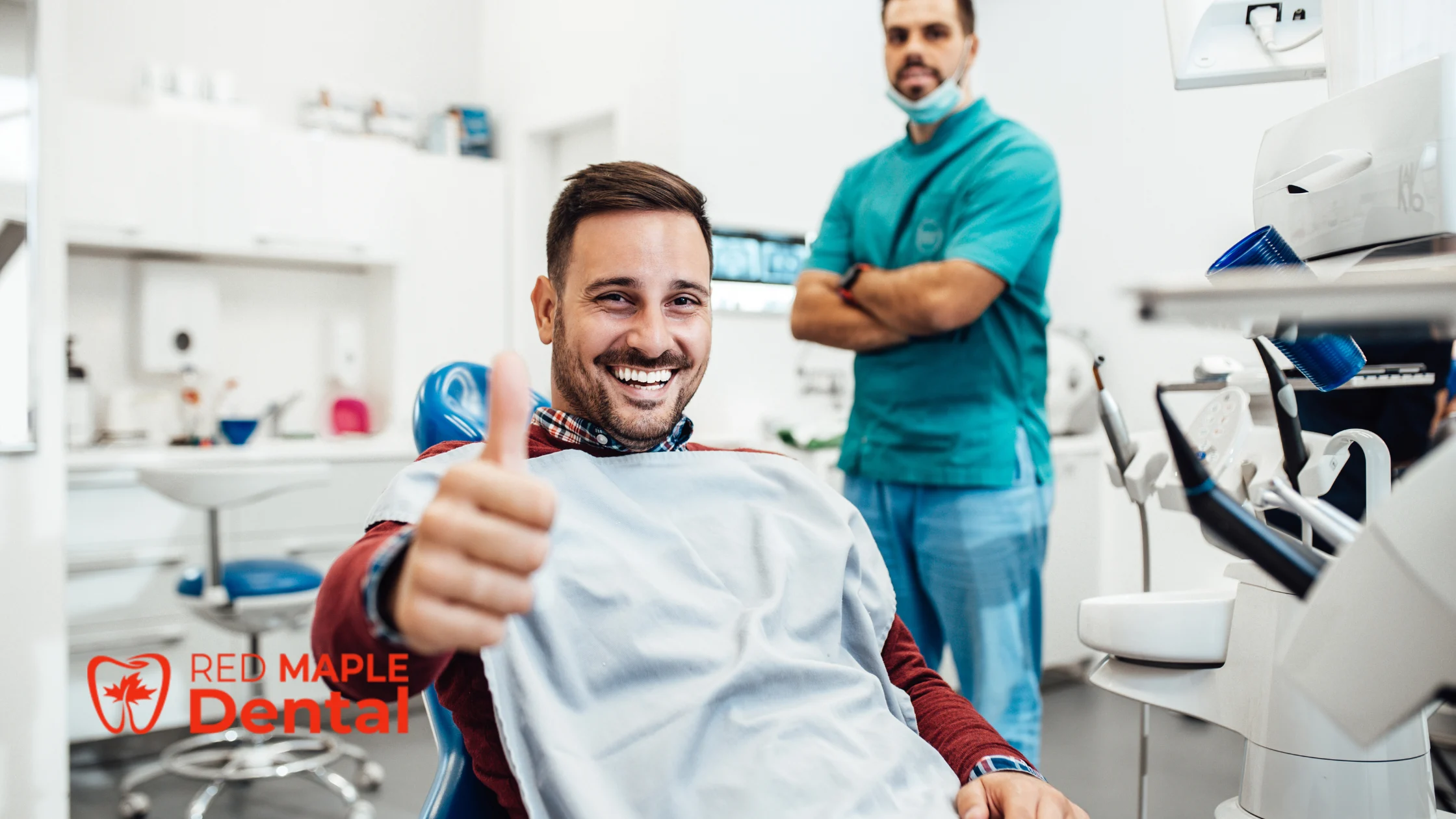
Just as you prioritize your overall health, paying attention to your oral hygiene can significantly reduce the chances of experiencing painful and costly dental emergencies. By adopting a few simple preventive care practices, such as regular check-ups, proper brushing and flossing techniques, and avoiding harmful habits, you can safeguard your smile. You hold the power to maintain your dental health through consistent actions that lead to positive outcomes. In this guide, you will learn effective strategies to minimize risks and keep your teeth in optimal condition.
Key Takeaways:
- Regular Check-ups: Schedule dental visits every six months to catch issues early.
- Oral Hygiene Practices: Maintain daily brushing and flossing to prevent cavities and gum disease.
- Diet Awareness: Avoid excessive sugary foods and drinks that can lead to dental problems.
Understanding Dental Emergencies
A dental emergency can arise unexpectedly, making it crucial for you to understand what constitutes one. These incidents often occur due to trauma, untreated dental issues, or even poor hygiene practices, leading to pain or further complications. Being familiar with the signs and symptoms of dental emergencies allows you to respond quickly and mitigate potential damage.
Common Types of Dental Emergencies
- Severe toothaches
- Knocked-out teeth
- Fractured or broken teeth
- Loose dental work
- Abscesses
The awareness of these types enables you to seek timely treatment and alleviate pain.
Factors That Increase Risk
Factors that increase your risk of experiencing a dental emergency can include lifestyle choices and existing dental conditions. Understanding these factors can help you adopt practices that minimize threats to your oral health.
- Poor oral hygiene
- High-sugar diet
- Participating in high-impact sports
- Neglecting regular dental check-ups
- Pre-existing dental issues
This knowledge empowers you to make informed decisions to enhance your dental health.
That being said, you should also consider specific factors that compound your risk of dental emergencies. For instance, not wearing mouthguards during contact sports can lead to chipped or broken teeth. In addition, ignoring minor dental problems can escalate into severe emergencies if left untreated. Adequate oral hygiene habits like brushing and flossing daily can significantly reduce your risk. Finally, understanding how your lifestyle choices affect your dental health is necessary for avoiding emergencies.
- Negligence of early signs of dental problems
- High-stress lifestyle
- Inadequate nutrition
- Improper dental care post-incident
- Delay in treatment
This comprehensive awareness can steer you toward proactive preventive care.
Preventive Care Strategies
Any preventive care strategy you adopt can significantly reduce the risk of dental emergencies. By focusing on your daily habits and maintaining regular professional visits, you can protect your oral health. Incorporating effective techniques will help ensure that you stay one step ahead of potential issues.
Daily Oral Hygiene Tips
Any effective routine starts with strong daily oral hygiene practices. Follow these important tips:
- Brush your teeth at least twice daily with fluoride toothpaste.
- Floss regularly to remove plaque between your teeth.
- Use an antimicrobial mouthwash to reduce bacteria.
- Avoid sugary snacks and drinks that can lead to tooth decay.
- Replace your toothbrush every three to four months.
This consistent care makes a significant difference in your overall dental health.
Regular Dental Check-Ups
Even with diligent home care, regular dental check-ups are vital to maintaining your oral health. These visits allow your dentist to identify any potential issues before they develop into serious problems. You benefit from personalized care and can receive advice tailored to your unique needs.
CheckUps are important for spotting hidden problems such as cavities or gum disease that you might not notice. During these appointments, your dentist will conduct a thorough examination and may recommend X-rays to get a complete picture of your dental health. Early detection is key; it can lead to more effective treatments and less invasive solutions. With professional care, you contribute significantly to reducing your risk of experiencing painful dental emergencies.
Importance of Dietary Choices
Your dietary choices are a key factor in maintaining oral health. Consuming a balanced diet rich in vitamins and minerals helps strengthen your teeth and gums while minimizing the risk of dental emergencies. By prioritizing wholesome foods and limiting harmful substances, you can pave the way for a healthier smile and reduce the likelihood of unexpected dental issues.
Foods to Avoid
You should steer clear of sugary snacks and beverages, as they can lead to tooth decay and cavities. Sticky foods that cling to your teeth also pose a significant risk, as they provide extended exposure to harmful acids. Additionally, highly acidic foods can erode tooth enamel, making it vital to choose your snacks wisely.
Nutritional Benefits for Oral Health
Benefits of maintaining a diet rich in vitamins C and D, calcium, and phosphorus directly contribute to your oral health. These nutrients play a significant role in strengthening your teeth and supporting gum health, which in turn minimizes the risk of dental emergencies. Foods like leafy greens, dairy products, and nuts provide vital nutrients that help keep your mouth in optimal condition.
For instance, consuming leafy greens offers high levels of vitamin C, which aids in preventing gum disease, while calcium-rich dairy products assist in fortifying tooth enamel. Foods like nuts supply healthy fats and phosphorus, important in maintaining overall oral health. By focusing on these nutrient-dense options, you can significantly enhance your dental well-being, reducing the likelihood of facing dental emergencies caused by poor nutrition.
Protective Dental Equipment
To minimize the risk of dental emergencies, utilizing protective dental equipment is vital. Items such as mouthguards and helmets are designed to absorb impact and shield your teeth from trauma, especially during high-risk activities such as sports. By incorporating these tools into your routine, you can significantly reduce the likelihood of dental injuries and ensure your oral health remains intact.
Use of Mouthguards
If you play sports or engage in activities with a high risk of impact, wearing a mouthguard is vital. Mouthguards protect your teeth from fractures and can also reduce the risk of injuries to your lips, tongue, and jaw. Investing in a custom-fitted mouthguard can provide the best comfort and protection, ensuring that your focus remains on the game.
Proper Techniques for Sports Safety
A vital aspect of sports safety involves implementing proper techniques during gameplay. The correct body posture, skills training, and awareness of surroundings can help you avoid hazardous situations. Techniques such as keeping your head up while playing, maintaining a safe distance from opponents, and communicating with your teammates can all contribute to a safer experience. Additionally, ensuring that you wear the appropriate protective gear, including helmets and shin guards, further enhances your safety on the field.
The inclusion of these safety practices creates a supportive environment that minimizes risks and promotes a focus on skill development rather than injury avoidance. By prioritizing these techniques, you’ll not only improve your performance, but also foster a less dangerous playing field for everyone involved.
Recognizing Early Signs of Trouble
Despite your best efforts to maintain oral health, dental issues can arise unexpectedly. Recognizing the early signs of trouble is crucial to prevent more serious problems down the line. Look for subtle changes in your mouth, such as increased sensitivity, swelling, or discoloration, as these can indicate underlying issues that need immediate attention.
Symptoms to Monitor
Now, it’s important to monitor specific symptoms that could signal a potential dental emergency. Pay attention to persistent toothaches, bleeding gums, or pain when biting down. Additionally, if you notice any lumps, bumps, or changes in the texture of your gums or tongue, take these signs seriously, as they may indicate a developing infection or other complications.
When to Seek Professional Help
When you experience significant or worsening symptoms, don’t hesitate to seek professional help. Dental problems can escalate quickly, and early intervention often results in more effective treatment. If your symptoms are accompanied by fever or swollen lymph nodes, it’s particularly important to consult your dentist promptly.
Recognizing the signs of serious dental issues is vital for your well-being. If you notice any intense pain, persistent bleeding, or signs of infection like swelling or fever, do not delay in contacting your dentist. Early treatment can often spare you from more complicated procedures, not to mention the discomfort of waiting. Keep your dental health a priority by addressing issues as they arise.
Lifestyle Changes for Better Oral Health
For optimal oral health, consider implementing lifestyle changes that enhance your dental care routine. Simple adjustments such as maintaining a balanced diet, staying hydrated, and practicing regular oral hygiene can significantly reduce the risk of dental emergencies. Additionally, limiting sugary snacks and beverages can help prevent cavities and other oral issues, ensuring that your smile remains healthy and bright.
Reducing Stress and Its Impact
Assuming you understand the connection between stress and oral health, it’s important to note that high stress levels can lead to habits like teeth grinding or jaw clenching, causing damage to your teeth and gums. Incorporating stress-reducing activities like meditation, exercise, or hobbies can greatly improve your overall well-being and protect your smile.
Avoiding Tobacco and Its Effects
An effective way to enhance your oral health is by avoiding tobacco products, which can have serious negative impacts on your dental hygiene. Tobacco use not only leads to bad breath and stained teeth but also significantly increases the risk of gum disease and oral cancer. Quitting tobacco can lead to healthier gums, fresher breath, and a brighter smile.
Stress, along with tobacco use, contributes to poor oral health. Each time you use tobacco, you expose your mouth to harmful chemicals that can lead to serious conditions. Tobacco can cause gum recession, making you more susceptible to tooth decay and tooth loss. By making the choice to avoid tobacco, you not only protect your teeth and gums but also enhance your overall health, ensuring a brighter future for your smile.
Summing up
Drawing together effective strategies for minimizing dental emergency risks, you can prioritize preventive care by maintaining a diligent oral hygiene routine, scheduling regular dental check-ups, and wearing protective gear during activities that pose a risk to your teeth. You should also be mindful of your dietary choices, avoiding excessive sugary snacks and drinks that can lead to cavities. By taking these proactive steps, you enhance your dental health and significantly reduce the likelihood of facing unexpected emergencies, ensuring a healthier smile for years to come.
Take Charge of Your Dental Health Today!
Preventive care is your best defense against unexpected dental emergencies. Schedule a check-up with Red Maple Dental to ensure your smile stays healthy and protected. Our expert team provides comprehensive dental exams, professional cleanings, and personalized oral health advice to help you maintain optimal dental wellness.Book your appointment today and experience the benefits of proactive dental care! Visit our dental services page to learn more.
Ready to book your visit?
Our Brampton team is here seven days a week for your whole family.