
How to Manage Tooth Sensitivity After Whitening
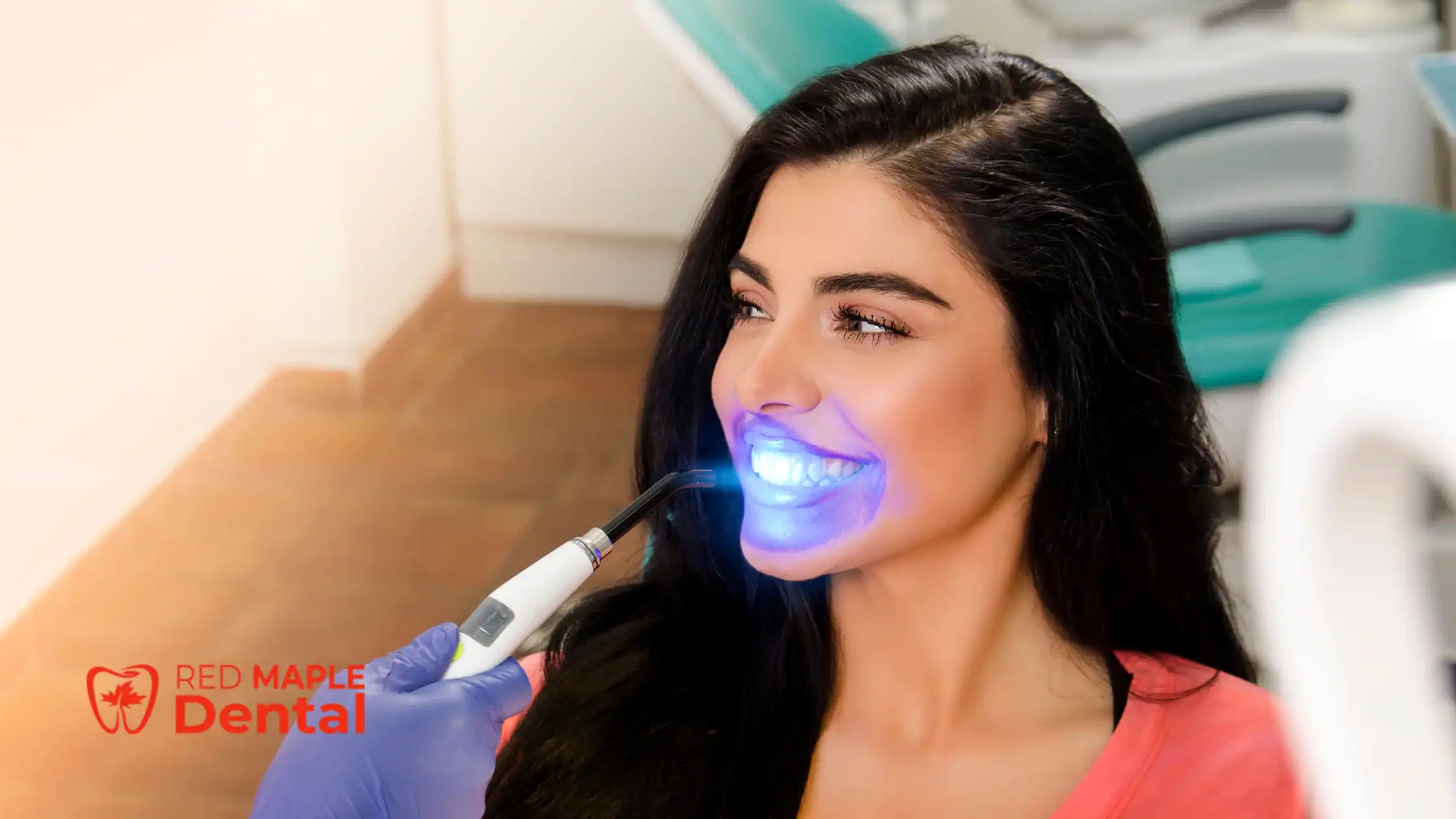
There’s a good chance you may experience tooth sensitivity after a whitening treatment, which can be uncomfortable and stressful. Understanding how to manage this sensitivity is imperative for ensuring your whitening results last without compromising your comfort.
In this guide, you’ll discover effective strategies and practical tips to soothe your sensitive teeth, allowing you to enjoy your brighter smile without undue pain. By following these recommendations, you can minimize discomfort while maximizing the benefits of your whitening treatment.
Key Takeaways:
- Using a desensitizing toothpaste before and after the whitening procedure can help alleviate sensitivity.
- Limit consumption of hot, cold, or acidic foods and beverages for a few days post-whitening to minimize discomfort.
- Consult your dentist if sensitivity persists; they may offer additional treatments or recommendations for managing the issue.
Understanding Tooth Sensitivity
Tooth sensitivity is a common side effect you may experience after teeth whitening procedures. This phenomenon occurs when whitening agents temporarily increase the porosity of enamel, allowing external stimuli to reach the underlying dentin and nerves more easily.
“Think of your enamel as a protective shield for your teeth. Whitening treatments temporarily weaken that shield, but with the right care, your enamel can restore its natural defenses in just a few days.” – Dr. Parul Singh
When you consume hot, cold, or sweet substances, these sensations can trigger discomfort, causing you to be cautious about what you eat and drink. Understanding tooth sensitivity will help you manage it better post-whitening.
What Causes Tooth Sensitivity?
For many individuals, tooth sensitivity arises from various factors associated with the whitening process. The main contributors include the temporary dehydration and increased permeability caused by strong whitening agents, alongside pre-existing enamel erosion and gum recession, which can heighten sensitivity.
Each of these elements can increase your sensitivity, making it imperative to address them appropriately.
Factors That Affect Sensitivity
While tooth sensitivity can vary, several factors influence its severity:
- Whitening method used
- Duration of treatment
- Existing dental conditions
- Frequency of whitening treatments
After considering these factors, you can take more informed steps to manage your sensitivity effectively.
Causes of tooth sensitivity can also be multifaceted. The intensity of discomfort you experience can differ based on:
- Type of whitening product (over-the-counter vs. professional)
- Individual tolerance to whitening agents
- Enamel thickness in your teeth
- Teeth grinding habits
After understanding how these elements interact, you can better anticipate the degree of sensitivity and plan accordingly.
Pre-Whitening Tips
Preparing for tooth whitening can significantly impact your results and overall comfort. Consider these pre-whitening tips to enhance your experience:
- Schedule a dental check-up to assess tooth health.
- Choose a gentle toothpaste for sensitive teeth.
- Avoid staining foods and beverages before treatment.
- Inquire about desensitizing treatments available.
Recognizing these steps will help you manage sensitivity effectively.
Consultation with Your Dentist
With a thorough consultation, your dentist can guide you through the whitening process. They can evaluate the condition of your teeth and gums, offer personalized advice based on your dental history, and suggest appropriate products or treatments. This approach ensures you achieve optimal whitening results while minimizing any potential discomfort.
“Your dentist can also recommend desensitizing treatments before whitening, like fluoride varnishes or prescription-grade toothpaste, which can significantly reduce post-treatment sensitivity.” – Dr. Parul Singh
Choosing the Right Whitening Method
The method of whitening you choose directly affects your experience. You have options ranging from in-office treatments to at-home kits.
Each method carries its risks and benefits in terms of effectiveness and sensitivity. For instance, while in-office treatments can provide instant results, they may cause heightened sensitivity.
In contrast, at-home kits offer convenience, but results may take longer to appear. Weigh these factors to make an informed decision.
Method selection is key to ensuring a comfortable whitening experience. In-office treatments often utilize stronger bleaching agents that deliver quick results; however, they can also lead to more pronounced tooth sensitivity.
Conversely, at-home whitening kits may be gentler but typically produce gradual results, allowing your teeth to adapt better. It’s imperative to assess your oral health and personal preferences since your choice will affect not only the outcome but also your comfort post-treatment.
Prioritize your sensitivity management needs to achieve ideal results.
Post-Whitening Care
Many individuals experience tooth sensitivity after a whitening treatment. To alleviate discomfort and maintain your bright smile, it’s necessary to follow proper post-whitening care.
“If sensitivity persists for more than a week after your whitening treatment, talk to your dentist—it could indicate an underlying issue that needs to be addressed.” – Dr. Parul Singh
This process includes avoiding harsh products and giving your teeth time to recover. Consider using products designed for sensitive teeth and ensure regular check-ups with your dentist to monitor your oral health during this period.
Recommended Oral Hygiene Practices
The best way to care for your teeth post-whitening is to maintain a gentle yet effective oral hygiene routine. Brush your teeth softly with a fluoride toothpaste for sensitivity and rinse with an alcohol-free mouthwash to avoid irritation.
Regular flossing is also vital to prevent plaque buildup. Together, these practices will help keep your teeth healthy and minimize discomfort.
Avoiding Certain Foods and Drinks
Drinks and foods that are highly acidic or pigmented can lead to increased sensitivity and staining after whitening. It’s advisable to steer clear of coffee, red wine, soda, and citrus fruits for at least 48 hours post-treatment.
These items can exacerbate tooth sensitivity while also jeopardizing the brightness of your newly whitened smile.
This is particularly important because highly acidic foods increase sensitivity, making your teeth feel uncomfortable. Moreover, dark or pigmented foods can undo the whitening effects, leaving your smile less radiant than you intended.
By prioritizing neutral or mildly colored foods and beverages, such as water, white meat, and plain yogurt, you can enjoy the benefits of your whitening treatment without compromising your comfort or results.
Managing Sensitivity During and After Whitening
Once again, sensitivity after whitening treatments is a common concern. To effectively manage this, it’s crucial to follow post-treatment instructions and avoid extreme temperatures, acidic beverages, or tough foods while your teeth adjust.
Engaging in gentle oral hygiene practices can also reduce discomfort, allowing you to enjoy your brighter smile without excessive pain.
Over-the-Counter Solutions
You can consider using over-the-counter desensitizing toothpaste, which contains compounds that block sensation in the nerves of your teeth. Products that contain potassium nitrate or strontium chloride are effective in alleviating sensitivity.
Additionally, applying fluoride gel or mouth rinses specifically designed for sensitive teeth can provide extra protection and comfort.
Natural Remedies for Relief
Some natural remedies, like clove oil, have shown analgesic effects that may relieve tooth sensitivity, while anecdotal reports suggest coconut oil pulling and chamomile tea might offer soothing benefits. You may find that clove oil, known for its anti-inflammatory properties, effectively numbs the affected area.
Swishing with coconut oil can help coat your teeth and reduce sensitivity, while chamomile tea is known for its soothing qualities. These natural remedies can serve as gentle alternatives to commercial products.
The use of natural remedies can be a safe way to alleviate tooth sensitivity. Clove oil possesses analgesic properties, which can bring immediate relief when applied directly to sensitive areas.
Coconut oil pulling may reduce inflammation and promote overall oral health. Additionally, chamomile tea not only calms sensitivity but also offers anti-bacterial benefits, enhancing your dental care routine. However, it’s important to consult your dentist before incorporating these remedies to ensure they are appropriate for your dental situation.
Long-Term Strategies for Sensitive Teeth
Not only can you alleviate tooth sensitivity after whitening, but you can also adopt long-term strategies to maintain comfort and protect your smile. By incorporating specific habits and products into your oral care routine, you can significantly minimize sensitivity and improve your overall dental health.
Using Sensitivity Toothpaste
Some of the best options for combating tooth sensitivity include using a specially formulated sensitive toothpaste. These specially formulated products contain active ingredients that help block nerve responses in your teeth, reducing discomfort over time.
Make it a part of your daily routine to reap the maximum benefits.
Regular Dental Check-Ups
Scheduling regular dental appointments can greatly benefit your sensitivity management. Monitoring your dental health is crucial, as your dentist can detect and resolve potential problems before they worsen.
Plus, routine check-ups allow your dentist to provide personalized advice tailored to your needs, ensuring you are using the right techniques and products for sensitivity. This proactive approach can help you spot issues like cavities or gum disease early on, which might be contributing to your sensitivity.
Additionally, your dentist can perform professional cleanings, helping to keep your teeth and gums healthy and significantly enhancing your overall oral hygiene.
Frequently Asked Questions
Unlike many other dental procedures, tooth sensitivity after whitening can lead to several questions regarding your comfort and care. Understanding what to expect can aid in managing this issue effectively, ensuring you can enjoy the benefits of a brighter smile without prolonged discomfort.
How Long Will Sensitivity Last?
If you’ve recently undergone teeth whitening, you might experience sensitivity that typically lasts from a few days up to two weeks. The duration varies based on your dental health and the type of whitening treatment used.
It’s important to monitor your symptoms and consult your dentist if sensitivity persists beyond this timeframe.
Is Tooth Sensitivity Permanent?
Long-term tooth sensitivity is generally not a permanent condition. However, in rare cases where enamel loss or severe gum recession exists, sensitivity can persist and may require specialized dental treatment.
However, each case is unique, and certain factors, such as underlying dental issues or the intensity of the whitening process, can influence your recovery time.
Another factor to consider is that while post-whitening sensitivity is typically temporary, some individuals may experience prolonged discomfort if they have underlying dental issues like gum recession or enamel erosion. It’s imperative to maintain regular dental check-ups and communicate any ongoing sensitivity to your dentist to ensure no serious conditions are at play.
Routine care and appropriate oral hygiene practices will help alleviate discomfort and promote overall dental health.
To wrap up
Considering all points, managing tooth sensitivity after whitening involves a few simple but effective strategies. You should use desensitizing toothpaste regularly, limit acidic foods and beverages, and avoid excessive whitening treatments.
Additionally, maintaining good oral hygiene and attending your dental check-ups can help alleviate discomfort. If sensitivity persists, consulting your dentist is advisable to explore further options tailored to your needs.
By following these recommendations, you can enjoy a brighter smile while minimizing any sensitivity issues.
If you’re experiencing persistent tooth sensitivity after whitening treatments, don’t hesitate to reach out for professional advice. The team at Red Maple Dental is here to help you find relief and protect your smile. Contact us today to schedule an appointment and discuss your options for comfortable, effective care.
Reviewed by: Dr. Parul Singh
Ready to book your visit?
Our Brampton team is here seven days a week for your whole family.