
The Link Between Sleep Apnea and Emergency Dentistry
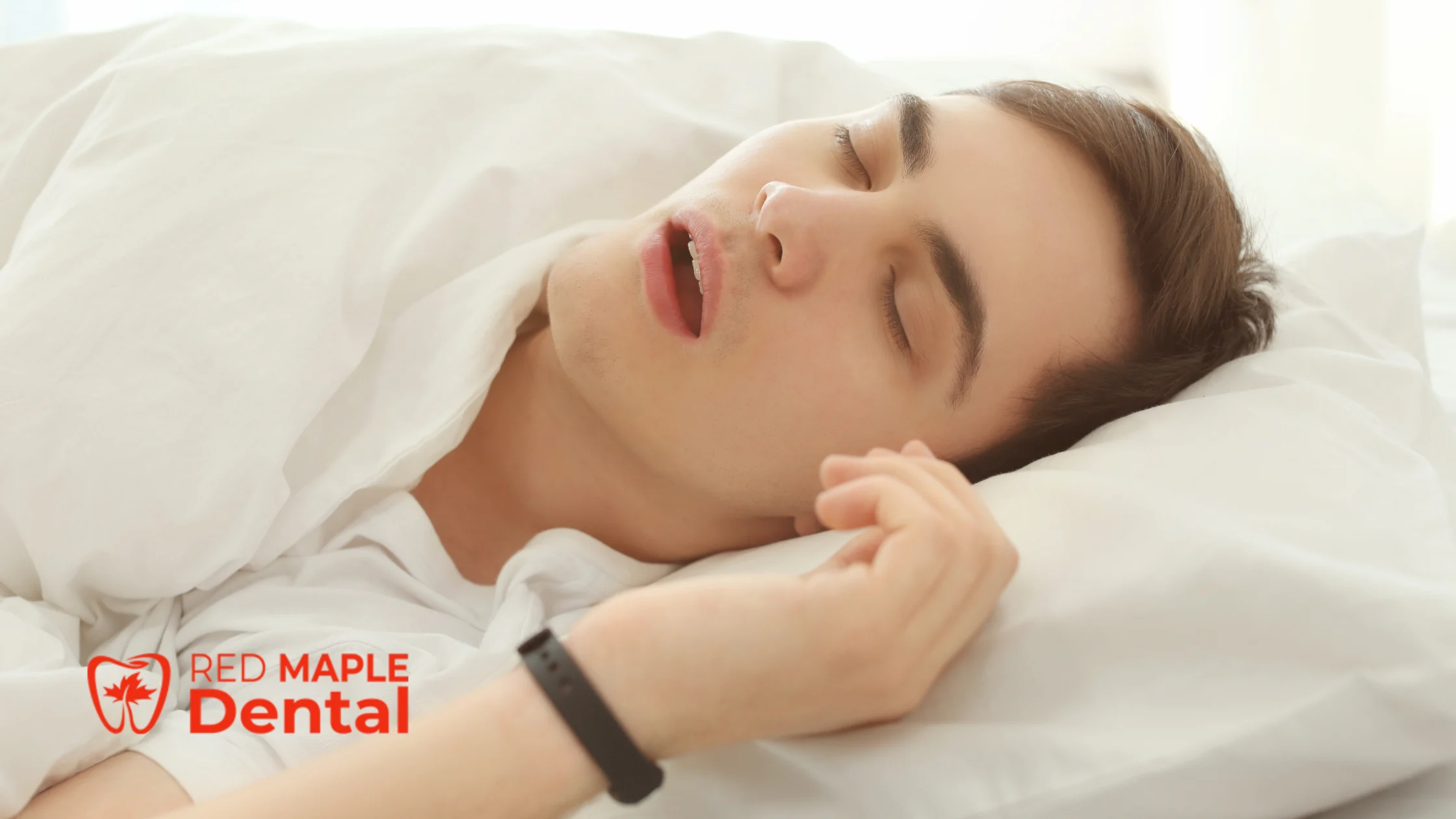
Just as you may be enjoying a peaceful night’s sleep, the danger of sleep apnea could present, leading to various health issues that can impact your dental health. This condition can contribute to emergency dental problems, from grinding your teeth at night to increasing the risk of gum disease.
Understanding the connection between these two factors can help you take proactive steps to safeguard your overall well-being. You can effectively manage your sleep apnea and dental health by recognizing the symptoms and seeking timely treatment.
Key Takeaways:
- Sleep Apnea Diagnosis: Patients suffering from sleep apnea may present with dental issues, so early dental assessments are vital for proper diagnosis.
- Jaw Health Implications: The condition can lead to bruxism (teeth grinding), which can cause significant tooth wear and damage, as well as jaw problems, necessitating emergency dental care.
- Collaborative Care: Dentists often collaborate with sleep specialists to create treatment plans that address dental and sleep-related health issues.
Understanding Sleep Apnea
This sleep disorder is characterized by repeated interruptions in breathing during sleep, leading to fragmented sleep patterns and a range of symptoms that may affect daily life. Addressing sleep apnea can profoundly impact one’s well-being, making it vital to comprehend its aspects and effects on dental health.
Definition and Types of Sleep Apnea
Types of sleep apnea include:
| Obstructive Sleep Apnea (OSA) | Caused by an airway blockage, often due to throat muscles relaxing excessively. |
| Central Sleep Apnea (CSA) | Results from the brain failing to send appropriate signals to the muscles responsible for breathing. |
| Complex Sleep Apnea Syndrome | A combination of OSA and CSA, presenting features of both types. |
| Common Symptoms | Include loud snoring, choking, gasping during sleep, and excessive daytime sleepiness. |
| Diagnosis | Typically involves a sleep study conducted by a healthcare professional. |
Understanding the different types of sleep apnea is key for effective management.
Causes and Risk Factors
Below are some common causes and risk factors of sleep apnea:
- Excess Weight – A higher body mass index can contribute to airway obstruction.
- Age – Increased age elevates risk, particularly for OSA.
- Anatomical Features – A thick neck, large tonsils, or a narrow airway.
- Gender – Males are more likely to develop sleep apnea than females.
- Family History – A genetic predisposition can increase your risk.
Understanding the broader landscape of causes and risk factors is crucial. Weight, for instance, plays a significant role, as excess body fat can obstruct the airway during sleep, leading to pauses in breathing.
Additionally, age is a significant factor; as you get older, the likelihood of experiencing sleep apnea increases due to the natural weakening of airway muscles. Furthermore, anatomical features such as a thick neck or enlarged tonsils may exacerbate the condition, making it essential to consult a healthcare provider to explore your specific risk factors.
Assessing the overall risks can contribute positively to your health. Men generally have a higher chance of developing sleep apnea, but women can be equally affected, particularly after menopause.
Symptoms and Diagnosis of Sleep Apnea
You may experience various symptoms that indicate sleep apnea, affecting your health and overall quality of life. It’s imperative to recognize these signs early and seek prompt treatment.
Common Symptoms
The most prevalent sleep apnea symptoms are loud snoring, gasping for breath during sleep, excessive daytime sleepiness, and difficulty concentrating. You may also notice mood changes, irritability, or restless sleep.
Diagnostic Procedures
Diagnosis typically involves a comprehensive evaluation, detailed medical history, and physical examination. Your healthcare provider may recommend a polysomnography test, which records brain waves, blood oxygen level, heart rate, and breathing patterns while you sleep.
This test can identify episodes of apnea and hypopnea and guide with necessary treatment. Alternatively, a home sleep apnea test may be suggested to allow you to monitor your sleep patterns in a familiar setting.
The Impact of Sleep Apnea on Oral Health
Unlike many health conditions, sleep apnea can significantly affect oral health. Frequent interruptions in breathing during sleep can lead to various dental issues, including dry mouth and bruxism.
These problems may contribute to a decline in oral hygiene, increasing the risk of tooth decay and gum disease. Understanding how sleep apnea intersects with dental health is vital for better management and well-being.
Effects on Teeth and Gums
Sleep apnea can impact teeth in numerous ways, primarily through increased wear and tear. The clenching and grinding associated with the condition can lead to enamel erosion and increased sensitivity.
Moreover, the dry mouth resulting from sleep apnea can promote the growth of bacteria, heightening the risk of gum disease and cavities.
Relationships to Other Dental Issues
Gums can be affected significantly by sleep apnea; the inflamed tissue is particularly susceptible to infection. As a result, you may experience increased issues such as periodontal disease, which can cause tooth loss if left untreated.
As your gums become increasingly compromised, you may face risks of systemic health issues, such as heart disease and diabetes, due to the inflammation spreading from your mouth to other parts of the body. Thus, being proactive about your sleep apnea and dental health is paramount in maintaining healthy teeth and gums and a healthy body.
Emergency Dentistry and Sleep Apnea
All individuals suffering from sleep apnea may experience a range of dental issues that necessitate emergency dental care. When your airway becomes obstructed during sleep, it can lead to teeth grinding and jaw clenching, resulting in significant dental pain and damage.
Knowing the connection between sleep disorders and dental health can help you seek timely treatment and avoid potential complications.
Managing Dental Emergencies
Apnea significantly affects how you manage dental emergencies. Understanding the effects of your condition allows you to take proactive measures.
Symptoms such as severe pain, bleeding, or swelling should be sought for immediate care, as these may indicate underlying problems. Preventive strategies, such as using a custom mouthguard or scheduling regular dental check-ups, can also mitigate the risks associated with tooth damage.
Most importantly, maintaining open communication with your dentist about your sleep apnea will help develop an effective treatment plan and help ensure your overall dental health.
Treatment Options for Sleep Apnea
Effective treatment options are available to help manage and alleviate symptoms for individuals with sleep apnea. These can range from lifestyle modifications to medical devices, each tailored to the individual’s specific needs and severity of the condition.
Early intervention prevents further complications, so exploring these options is essential for your health and well-being.
Lifestyle Modifications
Around 50% of people with sleep apnea may benefit from lifestyle changes, such as weight loss, regular exercise, and avoiding alcohol or sedatives before bedtime. These adaptations can improve your sleep quality and reduce the frequency of apnea episodes, making them a critical first step in managing the condition.
Dental Appliances and CPAP
Dental appliances and Continuous Positive Airway Pressure (CPAP) therapy are effective treatments for more severe cases of sleep apnea. These CPAP machines deliver a steady stream of air through a mask, preventing airway collapse, providing a more restful night’s sleep, and reducing the associated risks.
Consequently, dental appliances like mouth guards can be great if you find CPAP therapy uncomfortable. These custom-fitted mouthpieces reposition your jaw to keep your airway open, effectively reducing snoring and sleep disruptions.
It is important to consult with your dentist or sleep specialist to determine which option is most suitable for your situation, as both can significantly enhance your sleep quality and overall health.
The Role of Dentists in Sleep Apnea Management
Many people may not realize that dentists play a significant role in managing sleep apnea. Your dentist can help identify potential signs of the disorder during regular check-ups and offer treatment options, such as oral appliances, that improve your sleep quality and overall health.
This proactive approach can help you achieve better health outcomes and enhance your quality of life.
Identification and Referral
By recognizing sleep apnea symptoms, such as snoring or daytime fatigue, dentists can better assist you in addressing the issue. If your dentist suspects sleep apnea, they may refer you to a specialist for further evaluation, ensuring you receive the comprehensive care needed for effective management.
Collaborative Care with Healthcare Providers
Between your dentist and healthcare providers, a collaborative approach can significantly enhance the management of your sleep apnea. This teamwork ensures that you receive integrated care tailored to your needs for optimal results.
For instance, when your dentist works with your primary care physician or sleep specialist, they can share important information about your oral health and how it relates to your sleep apnea.
This collaboration enables better treatment strategies, like adjusting your oral appliance based on your feedback or results from a sleep study. This teamwork can effectively address underlying issues, improve sleep quality, and reduce the risk of serious health complications associated with untreated sleep apnea.
To wrap up
Understanding the connection between sleep apnea and emergency dentistry is vital for oral health. If you experience significant dental issues or discomfort linked to sleep apnea, seeking prompt dental care can help mitigate potential complications.
Your dentist can provide tailored treatment approaches to address sleep apnea and its associated dental consequences. You can improve your overall health and well-being by prioritizing your sleep and dental hygiene.
Suffering from dental issues related to sleep apnea? Don’t wait until it’s an emergency! Schedule an appointment with Red Maple Dental today to address sleep apnea-related dental concerns and protect your oral health.
Ready to book your visit?
Our Brampton team is here seven days a week for your whole family.