
What Are Bioactive Dental Materials and Why They Matter
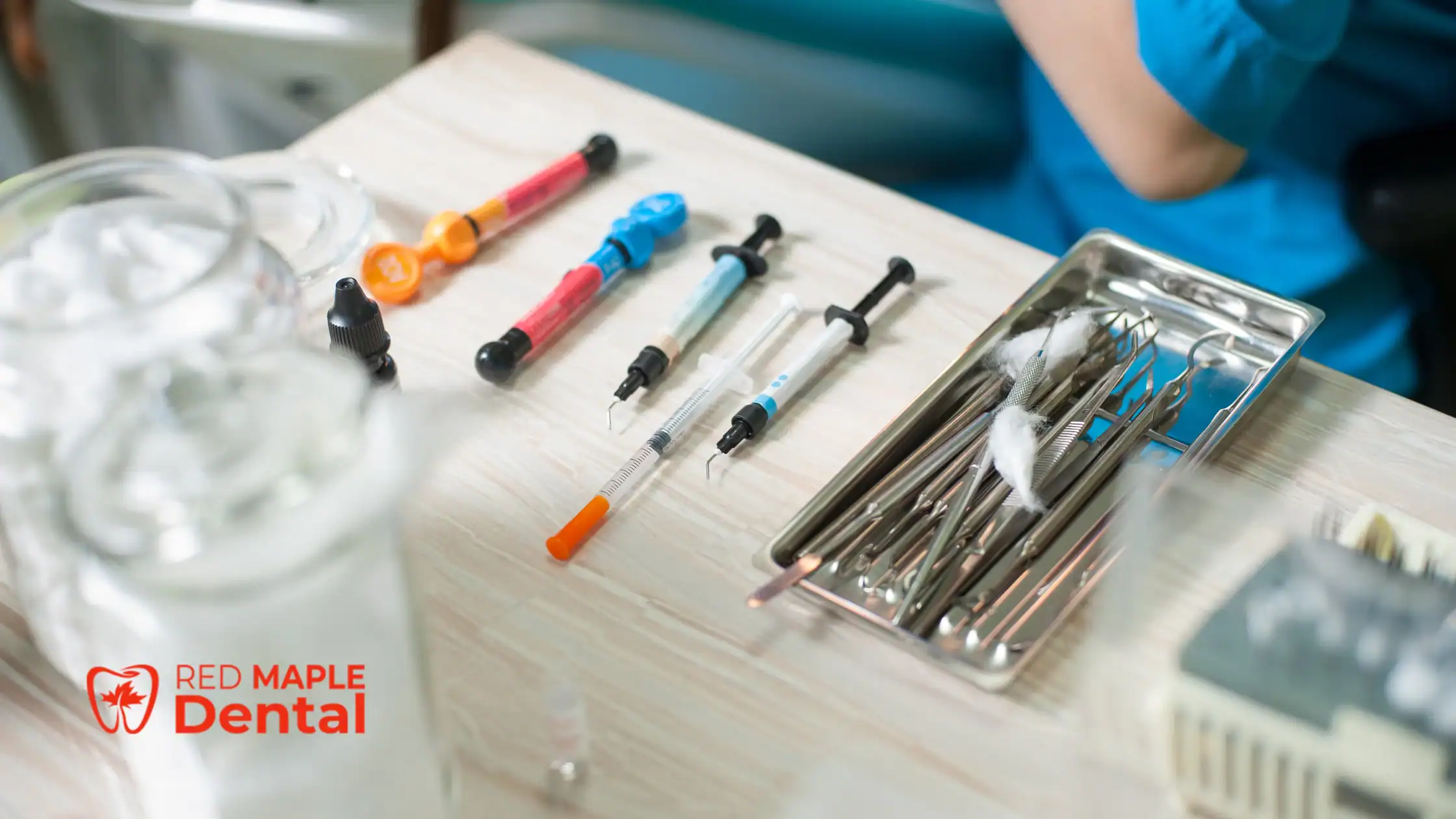
Bioactive dental materials have revolutionized restorative dentistry in recent years, greatly enhancing your oral health. These innovative materials not only help repair damaged teeth but also actively promote the regeneration and mineralization of dental tissues.
Their ability to release imperative ions and react with your tooth structure ensures a more durable and effective restoration. Understanding how these materials work and their benefits is imperative in making informed decisions about your dental care, ultimately leading to a healthier smile.
Key Takeaways:
- Bioactive dental materials promote healing and tissue regeneration, offering therapeutic benefits in restorative dentistry.
- These materials can release bioactive ions that stimulate the natural defense mechanisms of the teeth, enhancing oral health and longevity.
- The use of bioactive dental materials can lead to improved outcomes in treatments such as fillings, root canal procedures, and implants, ultimately benefiting patient care.
Definition of Bioactive Dental Materials
The term “bioactive dental materials” refers to substances engineered to interact positively with biological tissues. These materials can promote healing and regeneration of the tooth structure, enhancing the overall oral health of patients.
“Bioactive dental materials represent a shift from merely repairing damage to actively engaging with your natural biology to heal and strengthen teeth, offering a true partnership between science and your oral health.” – Dr. Parul Singh
Examples include bioactive glass and specially formulated bioactive composite resins that stimulate mineralization and can even aid in the repair of dentin and enamel.
Key Characteristics
Dental bioactive materials are characterized by their ability to release ions that foster tissue regeneration, maintain a biocompatible environment, and form a strong bond with dental tissues. Additionally, many bioactive materials feature antibacterial properties, reducing the risk of secondary infections and supporting long-term health.
Comparison with Traditional Materials
Characteristics of bioactive and traditional dental materials can significantly differ. Understanding these distinctions can help you make informed decisions about your dental health.
Here is a comparison:
Characteristics Comparison
| Bioactive Materials | Traditional Materials |
| Promotes healing and regeneration | Less interaction with biological tissues |
| Releases beneficial ions | Often inert, non-reactive |
| Can form bonds with dental tissues | Typically relies on mechanical retention |
Materials like silver amalgam and older composites are inert and do not support biological activity. Although generally durable, amalgam poses concerns such as mercury exposure and potential allergic reactions. In contrast, bioactive materials are designed to enhance the healing process and minimize risks associated with traditional materials.
This advantage creates a powerful reason for you to consider their use in your dental treatments, as they often lead to better long-term outcomes.
Materials Comparison
| Bioactive Materials | Traditional Materials |
| Bioactive glass, resin composites | Silver amalgam, conventional composites |
| Supports remineralization | Does not facilitate remineralization |
| Less risk of allergies | Potential for allergic reactions |
Types of Bioactive Dental Materials
It is necessary to understand the different types of bioactive dental materials that play a critical role in modern dentistry. These materials are designed to interact favorably with biological tissues, promoting healing and regeneration.
Below is a breakdown of various categories:
| Glass Ionomer Cements | Excellent for cavity filling and releases fluoride. |
| Resin-Based Composites | Aesthetic restorations with improved bonding properties. |
| Calcium Silicate Cements | Encourages pulp healing and has antibacterial properties. |
| Bioactive Glass | Promotes regeneration and integrates with bone. |
| Silicate Ceramics | Highly aesthetic and biocompatible options. |
Assume that you are choosing restorative materials; understanding these types will inform your decisions significantly.
Glass Ionomer Cements
Along with providing effective dental support, glass ionomer cements are known for their ability to release fluoride, which aids in the prevention of caries. These materials also bond well to tooth structure, making them ideal for situations where esthetics may be less critical, such as in pediatric dentistry.
Resin-Based Composites
Standard resin-based composites are recognized for their aesthetic appeal and strong bonding abilities. Bioactive resin composites are specially engineered to stimulate mineralization and support dentin and enamel repair.
They are versatile and can be used for a variety of dental restorations, from anterior to posterior teeth, providing a natural appearance that blends seamlessly with your existing tooth structure.
Bioactive resin-based composites contain bioactive components that stimulate mineralization and enhance the repair of dentin and enamel. While offering excellent esthetic qualities, these materials also require careful handling to avoid issues like polymerization shrinkage, which could result in microleakage.
With the right choice, you can enjoy both beauty and functionality in your smile restoration.
Mechanisms of Action
After understanding the significance of bioactive dental materials, it is vital to explore their mechanisms of action. These materials function primarily through the release of ions and their interaction with surrounding dental tissues, promoting healing and enhancing the body’s natural processes.
By providing a conducive environment for tissue regeneration, bioactive materials contribute to long-term oral health benefits.
Ion Release and its Benefits
One of the standout features of bioactive dental materials is their ability to release ions, such as calcium and phosphate. These ions are vital for remineralization processes and can foster the regeneration of enamel and dentin.
“The continuous release of ions like calcium and phosphate doesn’t just repair damage—it creates an environment that future-proofs your teeth, making them more resilient to decay and wear.” – Dr. Parul Singh
The continual release of these beneficial ions can also help maintain a balanced oral environment, reducing the risk of decay and promoting overall dental health.
Interaction with Dental Tissues
A key aspect of bioactive dental materials is their interaction with dental tissues, which is vital for achieving effective outcomes in dental treatments. When these materials come into contact with your teeth, they can facilitate changes to the surrounding environment, enhancing the bonding and integration of materials with your natural dental structure.
This interaction fosters improved healing and enhances the repair processes in the affected areas, leading to greater longevity and durability of dental restorations. Ultimately, the synergy between bioactive materials and your dental tissues is crucial for achieving optimal oral health results.
Applications in Dentistry
Not only do bioactive dental materials provide numerous advantages in dental treatment, but they also promote healing and regeneration in various applications. Their versatility encompasses preventive dentistry, restorative dentistry, and more, making them imperative for maintaining optimal oral health.
Preventive Dentistry
The primary focus of preventive dentistry is to minimize the risk of dental diseases. Bioactive materials can deliver imperative ions, such as fluoride and calcium, to your teeth, enhancing enamel strength and reducing decay.
These materials also encourage the remineralization process, helping your teeth to repair themselves naturally.
Restorative Dentistry
Between different types of dental materials, bioactive options stand out for their ability to foster tissue regeneration and enhance overall oral health outcomes. You can achieve better bonding and longevity with these materials, contributing to the strength and durability of your restorations.
“Choosing bioactive materials means choosing a restorative option that mirrors how your body heals, creating restorations that truly integrate with your natural teeth.” – Dr. Parul Singh
Preventive options such as sealants and glass ionomer cements protect your teeth and support natural repair mechanisms. In restorative procedures, materials like bioactive composites and dental ceramics effectively release therapeutic ions, promoting the healing of surrounding tissues.
The integration of bioactive properties ensures enhanced processes, such as pulp healing and minimizing infections, leading to more successful treatment outcomes. This dual action of prevention and restoration makes bioactive dental materials a significant game-changer in modern dentistry.
Advantages of Bioactive Materials
Unlike traditional dental materials, bioactive materials offer a range of benefits that significantly improve dental health outcomes. These materials are designed to interact favorably with surrounding biological tissues, promoting natural healing and regeneration.
They release beneficial ions and compounds that can enhance the strength of surrounding teeth structures, leading to better overall oral health. Bioactive materials are not only effective in treatment but also contribute to long-term wellness, making them increasingly popular in modern dentistry.
Enhanced Biocompatibility
By utilizing bioactive materials, you benefit from enhanced biocompatibility. These materials are specifically engineered to minimize reactions with your body, ensuring a safe integration with your dental structures.
Unlike conventional materials, bioactive options promote positive interactions at the cellular level, which helps to reduce inflammation and optimize healing, thereby supporting a healthier oral environment.
Improved Longevity of Restorations
Biocompatibility in bioactive materials leads to improved longevity of your dental restorations. Restorations made from these materials are less susceptible to wear and failure over time, meaning they can withstand the test of daily wear and tear.
These benefits can ultimately reduce the need for replacements, saving you both time and money. Additionally, bioactive materials actively work to remineralize surrounding tooth structures, which can enhance their durability and maintain their function for a longer period.
Consequently, you experience more dependable and long-lasting dental solutions.
Future Trends in Bioactive Dental Materials
Once again, the landscape of bioactive dental materials is evolving at a rapid pace, promising innovative solutions for oral health. As research continues, you can expect to see advanced materials that not only repair dental tissues but also actively promote regeneration and healing.
This shift will enhance your treatment options, leading to more effective and sustainable approaches in dentistry.
Research and Innovations
Innovations in bioactive dental materials focus on enhancing their effectiveness and usability. You will encounter new composites that incorporate natural biomimetic properties, which can improve adhesion and longevity.
Research into nanomaterials is also on the rise, offering superior mechanical properties and antimicrobial effects to better protect your dental health.
Potential Areas of Development
With advancements in various fields, you may observe significant progress in bioactive dental materials tailored for specific needs, such as drug delivery systems integrated into dental restorations. These innovations could provide you with long-lasting relief from dental issues while promoting tissue regeneration.
It is vital to note that the potential for bioactive dental materials transcends just conventional applications. Emerging technologies like 3D printing and bioengineered tissues provide personalized treatment solutions tailored to your unique dental challenges.
Enhanced biocompatibility and anti-inflammatory properties can make these materials not only effective in addressing existing problems but also in preventing future ones. The future of bioactive dental materials looks promising, and you will undoubtedly benefit from these advancements in your dental treatment journey.
Final Words
Taking all these factors into account, bioactive dental materials play a significant role in modern dentistry by promoting healing and enhancing restorative outcomes. These materials interact positively with your oral environment, offering benefits like improved adhesion, reduced sensitivity, and the ability to remineralize teeth.
Understanding their importance can help you make informed choices about your dental care, leading to healthier and more resilient teeth. Using bioactive materials can make dental treatments effective and improve oral health.
Are you curious about the potential benefits of bioactive materials for your smile? Our team at Red Maple Dental is committed to using the latest advancements to provide you with the highest quality care.
Contact us today to schedule a consultation and learn how innovative dental solutions can make a difference for your oral health. Get in touch here!
Reviewed by: Dr. Parul Singh
Ready to book your visit?
Our Brampton team is here seven days a week for your whole family.